Current edition
Doing Business In Panama Report 2024-2025
Updated version of the report AmCham shares with the business community. Available to read online or download as a PDF.


This report brings together the benefits of Panama’s special economic areas, the incentive framework and the figures that make the country an attractive place to invest. Download the latest edition and make decisions with firsthand information.
Updated version of the report AmCham shares with the business community. Available to read online or download as a PDF.
Fuentes: Instituto Nacional de Estadística y Censo (INEC) de la Contraloría General de la República, Ministerio de Comercio e Industrias, UNCTAD, Banco Mundial y FMI. Cifras de la edición vigente del reporte: al actualizarlo, se actualizan aquí.
Economy, country risk and credit ratings (S&P, Moody’s, Fitch)
The Trade Promotion Agreement explained, with bilateral trade figures
Logistics, agribusiness, financial services and tourism
Legal entities, taxes, immigration, intellectual property and public procurement
SEM, EMMA, manufacturing, renewable energy, film and other special regimes
Colón Free Zone, Panamá Pacífico, Ciudad del Saber and free zones
Since it entered into force, the Trade Promotion Agreement between Panama and the United States has consolidated a two-way trade relationship, with preferential market access and a strategic position that benefits both countries.
87% of U.S. consumer and industrial exports to Panama already enter duty-free, lowering costs for Panamanian companies that import inputs and capital goods.
Close to 10% of U.S. international trade passes through the Panama Canal, reinforcing the country’s logistical weight in the hemispheric supply chain.
The TPA has served for more than a decade as the legal framework that gives predictability to companies in both countries.
Panama offers several regimes with tax, immigration, customs and labor benefits. Each has its own law and governing body; the report explains them in detail.
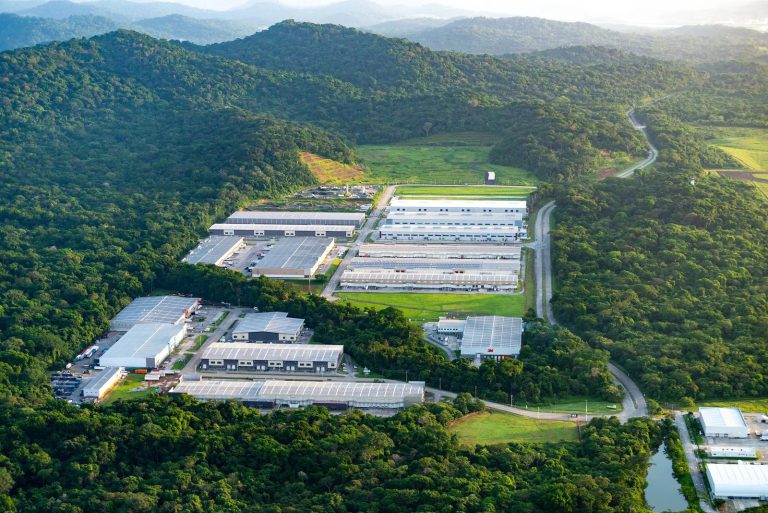
Law 41 of July 20, 2004
Establishes a special regime over the former Howard Air Force Base, with tax, immigration and labor incentives. Permitted activities within the area include:
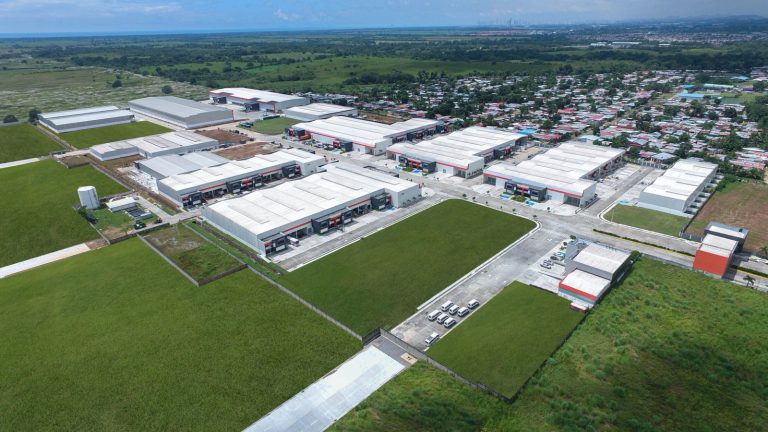
Law 32 of April 5, 2011
Establishes a special regime with tax, immigration and labor incentives. The activities permitted within the zones, prior to export, are:
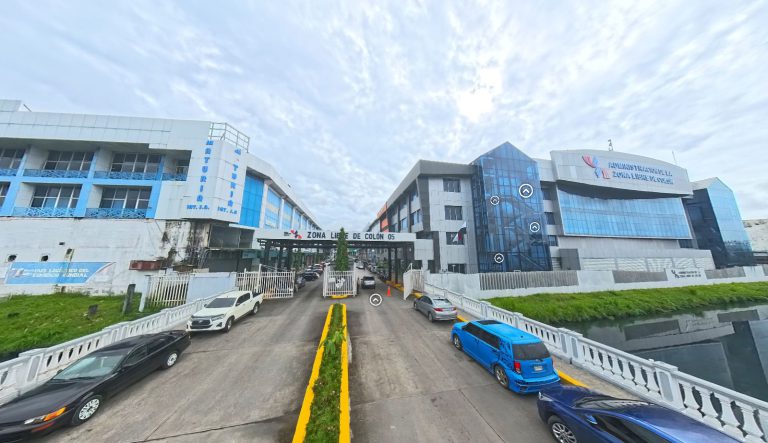
Law 8 of April 4, 2016
Reorganizes the hemisphere’s main distribution center, with tax and immigration incentives for established companies. The activities permitted within the zone are:
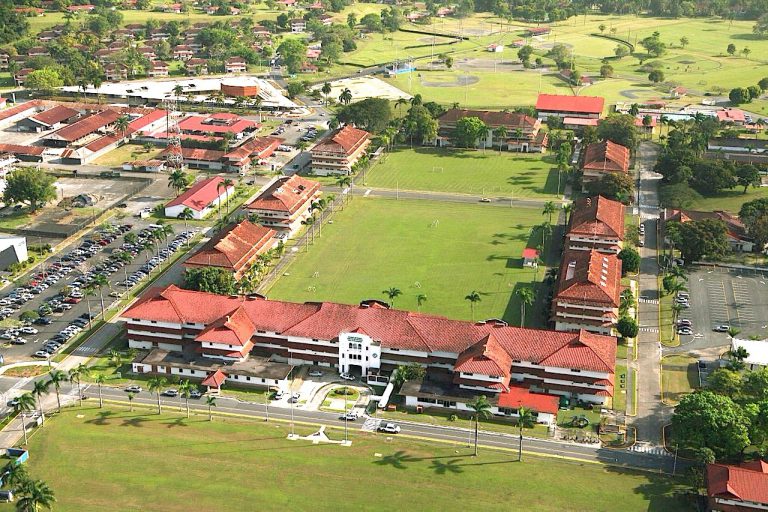
Decree Law 6 of February 10, 1998
Approves the agreement between the State and the Ciudad del Saber Foundation, with tax and immigration incentives for affiliated entities. Activities permitted within the area must relate to:
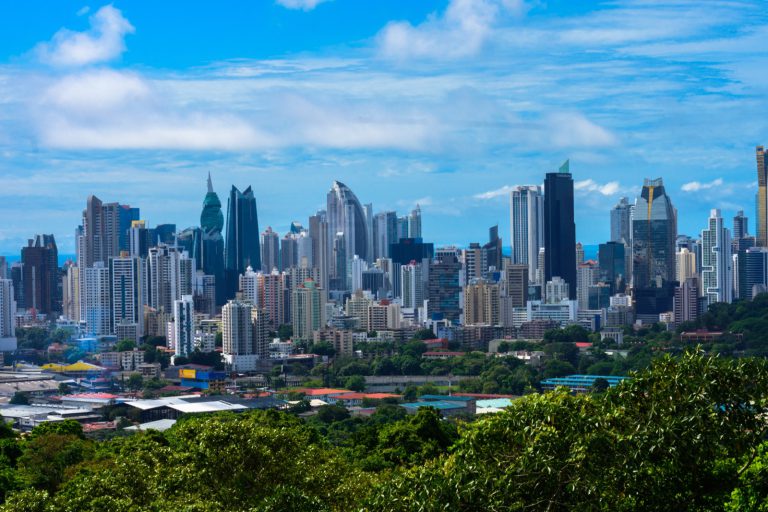
Law 41 of August 24, 2007
Creates the special regime for establishing and operating multinational company headquarters, with tax, immigration and labor incentives. Services a SEM may provide to its corporate group include:
The Trade Center prepares tailored information on the Panamanian market and the regimes that apply to your operation.